
Best Places to Go in Switzerland for an Unforgettable 2026 Trip
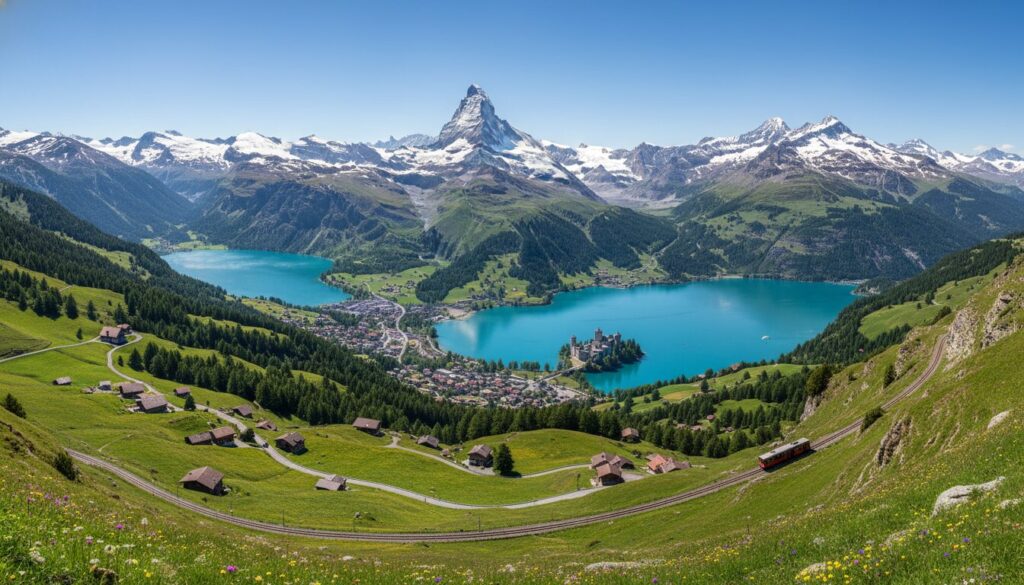
1. Top Must-See Places in Switzerland: Cities, Peaks, and Lakes
Switzerland condenses dramatic peaks, crystalline lakes, and culturally rich cities into a compact, highly accessible country—perfect for travelers who want maximum variety in a limited time. This guide prioritizes the absolute must-sees that capture the country’s character and helps you turn inspiration into a realistic itinerary.
The best seasons to visit Switzerland offer distinct advantages depending on your interests. Summer (June–September) provides ideal conditions for alpine hiking, lake activities, and long daylight hours. Late spring (May–June) and early autumn (September–October) deliver fewer crowds, lower prices, and pleasant weather. Winter (December–March) transforms the landscape with skiing opportunities, Christmas markets, and snowy panoramas.
Switzerland’s dense and reliable public-transport network makes the best transport options in Switzerland straightforward to navigate. Intercity trains, regional links, and frequent local transit connect most major sights efficiently. Swiss trains serve as the backbone of efficient itineraries, while the Swiss Travel Pass benefits include unlimited travel on trains, boats, and many mountain connections, plus free museum entries.
For multi-day trips using trains, boats, and mountain railways, the Swiss Travel Pass often simplifies logistics and saves money when covering several long routes or scenic journeys in a short period.
2. Iconic Swiss Cities: Cultural Hubs and Urban Charm
The iconic Swiss cities capture Switzerland’s diversity through financial hubs, lakeside promenades, medieval quarters, and vibrant food scenes. Each destination below explains why it’s special, ideal visiting times, and quick transport tips.
2.1 Zurich: Switzerland’s Dynamic Metropolis
Switzerland’s largest city blends a historic Old Town with world-class museums and a buzzing culinary scene. Waterfront promenades along Lake Zurich and quick access to nearby mountains make it a flexible base for exploring the top must-see places in Switzerland.
Best time to visit: Year-round—summer for lakeside life, winter for cozy indoor culture and Christmas markets.
Transport & timing: Zurich HB (main station) sits on major InterCity routes. Allow half a day to two days depending on museum visits and shopping plans.
Discover the best eSIM offers for your destination ✅
Compare thousands of packages in 200+ destinations
2.2 Geneva: International Gateway
An international hub on Lake Geneva offers cosmopolitan dining, the famous Jet d’Eau fountain, cultural institutions, and easy cross-border excursions into neighboring France. The city’s multilingual atmosphere reflects Switzerland’s diverse character.
Best time to visit: Spring through autumn for lakeside promenades and nearby vineyard exploration.
Transport & timing: Major rail hub on the Geneva–Lausanne–Bern corridor. Plan half a day to one full day for city highlights.
2.3 Lucerne: Medieval Charm Meets Alpine Access
This picturesque lakeside city features a preserved medieval center, the iconic Chapel Bridge, and serves as a gateway to nearby mountains like Pilatus and Rigi. The combination of cultural attractions in Swiss cities and mountain access makes Lucerne particularly appealing.
Best time to visit: Summer for boat cruises and mountain trips; shoulder seasons for fewer crowds and comfortable walking weather.
Transport & timing: 40–60 minutes from Zurich by frequent trains. Allow 1–2 days to combine city highlights with a mountain excursion.
2.4 Bern and Lausanne: Capital Charm and Lakeside Energy
Bern, Switzerland’s federal capital, offers UNESCO-listed medieval arcades, compact sightseeing, and authentic local life away from tourist crowds. Lausanne provides youthful lakeside energy with steep streets, the Olympic Museum, and nearby Lavaux vineyards.
Both cities integrate seamlessly into the 3-, 7- and 10-day itineraries as cultural stops between major alpine destinations.
| City | Key Attractions | Ideal Duration | Best Season |
|---|---|---|---|
| Zurich | Old Town, Museums, Lake | 1-2 days | Year-round |
| Geneva | Jet d’Eau, International District | 0.5-1 day | Spring-Autumn |
| Lucerne | Chapel Bridge, Mountain Access | 1-2 days | Summer |
| Bern | Medieval Arcades, Federal Buildings | 0.5-1 day | Year-round |
| Lausanne | Olympic Museum, Vineyards | 0.5-1 day | Spring-Autumn |
3. Alpine Classics: Dramatic Peaks and Mountain Railways
The alpine classics in Switzerland define the country’s mountain travel experience through iconic summits, panoramic railways, and high-altitude adventures. These destinations require careful timing and realistic expectations for weather conditions.
3.1 Zermatt & the Matterhorn
The classic Matterhorn silhouette ranks among the world’s most photographed peaks. Car-free Zermatt offers scenic railways, alpine hiking, and year-round skiing opportunities. The Gornergrat Railway provides panoramic access to glacier views and the famous pyramid peak.
Best time to visit: Summer for high-route hikes and clear mountain views; winter for skiing and dramatic snow-covered landscapes.
Transport considerations: Arrive by train (Zermatt requires shuttle connection from Täsch if driving). Day trips are possible from many regions, but overnight stays in Zermatt allow proper appreciation of alpine ambiance and accommodate variable mountain weather.
3.2 Jungfraujoch & Bernese Oberland
Jungfraujoch, known as the “Top of Europe,” and the surrounding Bernese Oberland deliver dramatic ridgelines, glacier views, and classic alpine villages. The region includes Interlaken, Grindelwald, and Lauterbrunnen—each offering distinct mountain experiences.
Best time to visit: Summer for high-altitude hiking and alpine panoramas; winter for snow sports and dramatic winter scenes.
Transport strategy: Reach Interlaken by mainline train, then connect to Jungfraujoch via Kleine Scheidegg. Expect a full-day trip to Jungfraujoch or plan overnight stays to explore neighboring valleys and trails properly.
Alpine routes may close or require winter gear during colder months. Check current conditions and weather forecasts before planning high-altitude excursions.
3.3 Scenic Train Journeys
The scenic train journeys in Switzerland include the Bernina Express and Glacier Express routes. These experiences work best when combined with regional stays rather than rushed day trips. Summer provides optimal conditions for long scenic drives and hiking, while winter offers snow-covered mountain drama.
For travelers staying connected during these remote mountain adventures, reliable mobile data becomes essential. Services like Airalo provide convenient eSIM solutions for Switzerland, ensuring you can share those spectacular alpine photos and stay in touch throughout your journey.
4. Lakes, Scenery & Relaxed Routines
The major lakes in Switzerland offer distinct experiences through scenic boat cruises, waterfront towns, vineyards, and peaceful viewpoints. Each lake provides opportunities for relaxation between more intensive mountain adventures.
4.1 Lake Geneva (Lac Léman)
This expansive lake stretches along Switzerland’s western border, featuring elegant cities, terraced vineyards, and cultural attractions. The region includes Geneva’s urban sophistication, Lausanne’s youthful energy, and Montreux’s music festival heritage.
Key experiences:
- Vineyard walks through UNESCO-listed Lavaux terraces
- Scenic boat cruises across the lake’s length
- Château de Chillon visits near Montreux
- Lakeside promenades in multiple cities
Transport connections: Direct train links to Geneva, Lausanne, and Montreux, plus regular boat services for scenic travel between destinations.
4.2 Lake Lucerne (Vierwaldstättersee)
Deep fjord-like arms characterize this central Swiss lake, surrounded by mountains and historic towns. Classic paddle steamers provide nostalgic transportation, while the lake serves as a base for mountain access to Rigi and Pilatus.
Recommended activities:
- Historic paddle steamer cruises
- Lakeside promenades and swimming (summer)
- Sunrise photography from waterfront viewpoints
- Mountain railway connections from lakeside stations
4.3 Lake Zurich
Urban beaches, city promenades, and short boat cruises provide quick escapes from Zurich’s business district. The lake integrates easily into city itineraries without requiring separate travel days.
How much data for your trip?
Estimate your data needs in seconds based on your habits: streaming, social media, browsing.
Calculate my data needsPractical benefits: Immediate access from Zurich, swimming opportunities in summer, and relaxed dining along waterfront establishments.
5. Ready-Made Swiss Itineraries: 3, 7 & 10 Days
The 3-, 7- and 10-day itineraries below provide structured frameworks for experiencing Switzerland’s highlights efficiently. Each itinerary balances cities, mountains, and lakes while accounting for realistic travel times and seasonal considerations.
5.1 3-Day Switzerland Highlights
Day 1: Zurich Exploration
- Morning: Old Town walking tour and major museums
- Afternoon: Lake Zurich promenade and shopping
- Evening: Traditional Swiss dining in historic quarter
Day 2: Lucerne & Mountain Access
- Morning: Train to Lucerne, Chapel Bridge, and old town
- Afternoon: Mount Pilatus or Rigi excursion (weather permitting)
- Evening: Lakeside dinner and paddle steamer sunset cruise
Day 3: Alpine Experience
- Full day: Jungfraujoch excursion from Interlaken
- Alternative: Zermatt day trip for Matterhorn views
- Return: Evening departure or extend stay
5.2 7-Day Comprehensive Tour
This extended itinerary allows deeper exploration of each region while maintaining comfortable pacing between destinations.
Days 1-2: Eastern Switzerland (Zurich Base)
- City exploration, lake activities, and nearby mountain access
- Day trip options to Rhine Falls or Appenzell region
Days 3-4: Central Alps (Lucerne/Interlaken)
- Lucerne city highlights and lake cruises
- Bernese Oberland mountain railways and hiking
Days 5-6: Western Switzerland (Lake Geneva Region)
- Geneva international district and lakefront
- Lausanne, Lavaux vineyards, and Montreux
Day 7: Flexible Departure
- Morning in chosen region based on departure logistics
- Shopping, final sightseeing, or relaxation
5.3 10-Day Complete Experience
The extended itinerary incorporates additional destinations, seasonal activities, and flexible time for weather-dependent mountain excursions.
Enhanced elements:
- Multiple mountain regions (Zermatt, Jungfraujoch, additional peaks)
- Extended lake exploration with boat travel between cities
- Cultural deep-dives in major cities
- Seasonal activities (skiing, hiking, festivals)
- Rest days for weather contingencies
Book accommodations in advance during peak seasons (July-August, December-January) and consider the Swiss Travel Pass for itineraries covering multiple regions and transport modes.
For international travelers, maintaining connectivity throughout these diverse regions becomes crucial for navigation, bookings, and sharing experiences. Consider Saily for reliable Swiss mobile data coverage across urban and mountain areas.
Find the best eSIM for your trip
Compare available plans right now and travel with peace of mind!
Choose the best eSIM card6. Conclusion
Switzerland’s compact geography allows travelers to experience dramatic alpine peaks, pristine lakes, and sophisticated cities within remarkably short distances. Whether you choose a focused 3-day highlights tour or an extended 10-day comprehensive journey, the country’s efficient transport network and diverse attractions ensure memorable experiences across all seasons.
The key to successful Swiss travel lies in balancing ambitious mountain excursions with relaxed lake moments and cultural city exploration. Plan for weather flexibility in alpine regions, book accommodations early during peak seasons, and consider the Swiss Travel Pass for multi-region itineraries that maximize both convenience and value.
FAQ

Passionate about travel and tech, I have combined these two worlds to help travelers understand the numerous options to get Internet access abroad and identify the best option for them. As a software development engineer, I put my skills at the service of simple, practical and transparent content. My goal is to give you all the keys to stay connected easily and at the best price during your trips. 🌍📲